How do I explain free bets to a friend who thinks it’s just free cash?
If a friend hears “free bet” and imagines €10 landing in their account to spend or withdraw, it’s worth clearing that up before they place anything. A bookmaker free bet is usually a promotional betting token, not cash. It can be used to place a qualifying bet, but the original token stake is generally not returned with any winnings.
That distinction is the heart of a free bet explained simply: the bookmaker gives you a way to place a bet without using your own stake for that particular wager, but the offer has rules and the result is not guaranteed. The token might need to be claimed manually, used before an expiry deadline, or placed at minimum odds. And if the bet wins, the payout may be smaller than your friend expects because the stake is excluded.
Here’s a straightforward explanation you can give them: “It’s a voucher for one eligible bet, not a cash balance. If it wins, you usually receive the winnings, 1/2 minimum odds betting but not the value of the voucher itself. Check the conditions before using it.”
What is a free bet, in practical terms?
A free bet is normally credited as a token or voucher after a customer meets the offer’s requirements. It may appear in a promotions area rather than in the withdrawable cash balance. Depending on the bookmaker, the token may be added automatically or require a manual claim. That can mean clicking a button, entering a code, or opting in before placing a qualifying bet.
So, when someone asks about token vs cash, the useful comparison is this:
- Cash balance: money in the account that may be available to stake or withdraw, subject to the bookmaker’s rules.
- Free-bet token: promotional value that can usually only be used to place an eligible bet and may expire.
- Winnings from a token bet: commonly paid as cash, but usually calculated without returning the token’s stake.
Always check the specific promotion. I've seen this play out countless times: wished they had known this beforehand.. Some offers use different mechanics, and “free bet” can cover several types of promotion. The terms should say how the token is issued, which markets qualify, what odds apply, and what happens to any winnings.
Stake not returned: a simple €10 example
The phrase stake not returned example is often the clearest way to explain the catch. Imagine your friend receives a €10 free-bet token and uses it on a selection at decimal odds of 4.00. If it wins, the usual calculation is:
Item Calculation Amount Potential return including stake €10 × 4.00 €40 Token stake excluded €40 − €10 €30 winningsIn this common “stake not returned” format, the friend receives €30, not €40. The €10 token has been used up; it is not handed back as cash. If the selection loses, the token is normally gone and there are no winnings. The precise treatment can vary, so the offer terms matter.
That is why it is misleading to call a free bet “free cash”. It has a use, a value and conditions, but it is not the same as receiving €10 that can be withdrawn. Nor should a bet be treated as a reliable way to make money: the outcome is uncertain, and a promotional token can be lost just like a cash stake.

Matched deposit offers: the offer is tied to your own deposit
A matched deposit promotion usually requires a customer to deposit a specified amount and meet other conditions. For example, an offer might say that a qualifying deposit of €20 earns a €20 free-bet token. That does not necessarily mean the customer instantly has €40 in withdrawable cash. The €20 deposited may remain cash subject to the bookmaker’s rules, while the promotional €20 is issued as a token with separate restrictions.
Common conditions can include opting in, depositing through an accepted payment method, placing a qualifying first bet, meeting minimum odds, and claiming the reward. Some promotions release a token only after the qualifying bet settles. Others may award the token in stages or use different reward types.
Before depositing, a friend should ask:
- Is the offer available to them, and do they need to opt in first?
- What is the minimum deposit, and does the payment method qualify?
- Must the deposit be wagered before a token is awarded?
- What minimum odds and markets apply to the qualifying bet?
- How long do they have to claim and use the token?
- Can the deposited cash be withdrawn, and are there any separate conditions?
These details are more useful than the headline bonus amount. If the terms are unclear about how much must be wagered, or what counts as qualifying activity, do not assume the most generous interpretation. Look for exact wording or ask the bookmaker’s customer support before depositing.
No-deposit offers: no deposit does not mean no conditions
A no-deposit offer generally does not require an initial deposit to receive a promotional reward. It may be a small free-bet token or another type of bonus. That can sound simple, but the offer can still require account verification, an opt-in, a qualifying action, minimum odds, or a manual claim.
There may also be restrictions on withdrawing winnings. For example, a promotion might require a winning free bet to be placed at specified odds, or set a maximum amount that can be converted into cash. A no-deposit token can expire quickly or be limited to selected sports and markets. Read the terms before using it, particularly if the offer asks for personal details or seems to come from an unfamiliar site.
In Ireland, stick to bookmakers authorised to operate here and check the operator’s status rather than being swayed by a flashy bonus. A legitimate-looking promotion is not a substitute for clear terms, responsible customer support and appropriate safeguards.
Money-back specials: what has to happen for a refund?
“Money back if your bet loses” can mean several different things. The refund might be cash, a free-bet token, or a bonus credit. It may apply only to the first qualifying bet, only to certain markets, or only up to a stated maximum. The word “refund” on its own does not tell you what you will receive.
For example, a promotion might offer a refund up to €10 if a qualifying football bet loses. The terms could specify that the bet must be on a particular match market, placed at odds of at least 2.00, and settled as a loss within the promotional period. If the qualifying €10 bet loses, the customer might receive a €10 token rather than €10 cash. If the bet is void, cashed out early, or placed on an excluded market, the offer may not trigger.
Before relying on a money-back special, check the trigger carefully:
- Does the qualifying bet have to lose, or is a particular result required?
- Is the refund paid as cash, a token, or bonus credit?
- Is there a maximum refund amount?
- Do minimum odds, market or event restrictions apply?
- Are void bets, cash-outs, accumulators or in-play bets excluded?
- When is the refund credited, and when must it be used?
Suppose the refund is a €10 free-bet token with a further 48-hour expiry. Your friend has not received €10 to withdraw; they have received another time-limited promotional bet. Check the expiry against the actual event schedule and settlement time. A match may start before the deadline but settle afterwards, and that can matter if the terms require the qualifying bet to be settled before the token is awarded.
Minimum odds rules can change the bet you choose
Minimum odds are there to define which bets qualify for an offer. If the terms require odds of at least 2.00, a selection at 1.80 will not meet the requirement. The odds threshold can apply to the qualifying bet that earns the token, to the token bet itself, or to both. Do not assume it applies only once: check the wording.
I'll be honest with you: odds also affect the potential winnings from a stake-not-returned token. Using a €10 token at decimal odds of 2.00 would usually produce €10 in winnings if it wins, because the €10 token stake is excluded. At odds of 4.00, the corresponding winnings would usually be €30. Higher odds can mean a larger potential return, but they also reflect a less likely outcome according to the market. They do not make a bet safer or improve the value of a token automatically.
A sensible approach is to choose a bet you would have considered anyway, rather than forcing a selection to meet a promotion. Avoid adding extra legs to an accumulator just to reach a minimum price unless you understand how that changes the risk. Also check whether each selection in a multiple has to meet a price rule, or whether the combined odds are what count.
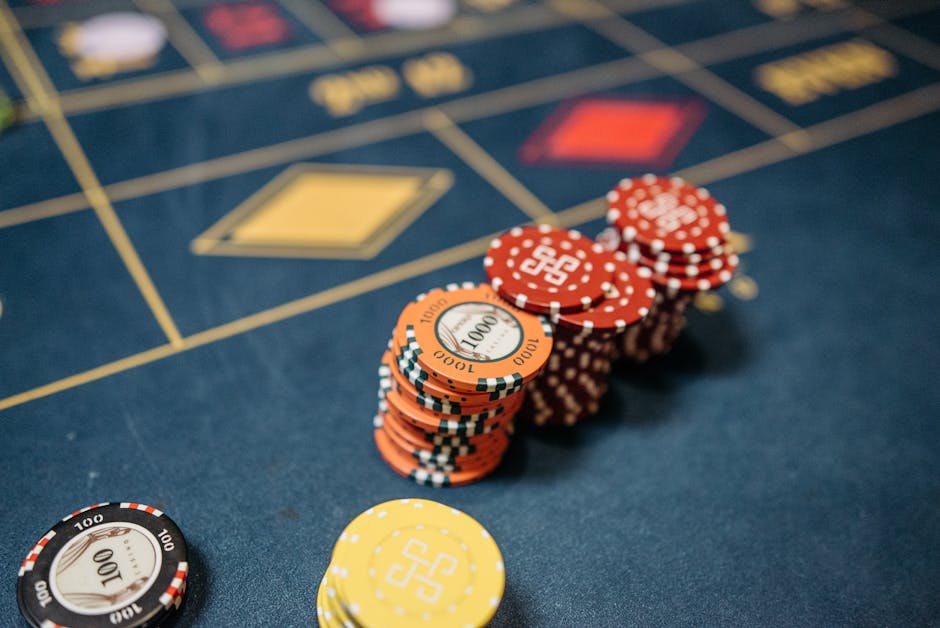
A quick checklist to give your friend
- Find the full terms. Read the rules attached to the specific promotion, not just the advert.
- Check how the token is issued. Look for automatic crediting or a manual claim, and confirm that you have opted in if required.
- Confirm the qualifying bet. Note the minimum odds, eligible markets, event and any payment or deposit requirements.
- Understand the payout. Check whether the token stake is returned. In many free-bet offers, it is not.
- Check the clock. Note the claim deadline, token expiry and whether the bet must be placed or settled by then. Compare these deadlines with the actual fixture schedule.
- Know what happens if it loses or is void. Do not assume a token is reissued or a refund is paid unless the terms say so.
- Use only a properly authorised bookmaker. If the terms are vague or the operator’s status is unclear, walk away.
The short version
If your friend thinks a free bet is just free cash, tell them: “It’s usually a token for an eligible bet, not money you can withdraw. If it wins, you often get the winnings but not the token stake. You may need to claim it manually, meet minimum odds and use it before it expires.”
That explanation is simple without hiding the important detail. Promotions can be useful to understand, but they are not guaranteed profit and should never be a reason to bet more than you planned. If someone is betting, they should set limits they can stick to and only use money they can afford to lose.